





- Furniture
- Entry & Mudroom
- Shoe Storage
Shoe Cabinets & Shoe Storage Racks

Levi 31" Shoe Storage Cabinet - Hazelnut

Bestar Pur 25 W Closet Shoe Organizer - Bark Grey

Bestar Pur 25 W Closet Shoe Organizer - White
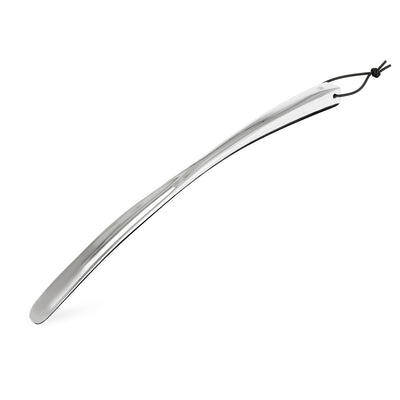
Umbra Slip Aluminum Shoehorn

Bestar Versatile 25 W Closet Shoe Organizer - White

Keeping footwear organized starts with the right storage. The Brick's selection of shoe cabinets, racks, shelves and organizers can help reduce clutter in an entryway, mudroom or closet. Compare closed cabinets that keep shoes out of view with open racks that make frequently worn pairs easy to reach. Browse the available shoe storage options below to find a design suited to your space.
Choose the Right Type of Shoe Storage for Your Space
Shoe storage is available in several formats, each suited to different spaces and routines. A closed shoe cabinet keeps footwear behind doors, while an open shoe rack provides quick access to everyday pairs. Closet organizers use shelving or cubbies to arrange footwear inside a closet. Selected storage benches combine storage with a place to sit while putting on or removing shoes.
| Storage type | Main characteristics | What to consider |
|---|---|---|
| Shoe cabinet | Closed compartments or shelves that keep footwear out of view | Cabinet depth, shelf spacing and door clearance |
| Open shoe rack or shelf | Open tiers that keep everyday footwear visible and accessible | Width, number of tiers and available floor space |
| Closet organizer | Cubbies or shelves designed for use inside a closet | Height, shelf configuration and installation requirements |
| Storage bench | May combine footwear storage with a place to sit | Seat height, storage configuration and weight capacity |
If you want seating as part of your entryway setup, explore storage benches and trunks. Features vary by product, so confirm that the selected model provides suitable footwear storage before purchasing.
How Much Shoe Storage Capacity Do You Need?
Before choosing a shoe storage cabinet, count the pairs you use regularly and decide whether seasonal footwear will be stored elsewhere. Check the usable shelf dimensions and configuration on each product page, since overall cabinet dimensions do not show how much space is available between individual shelves.
Boots and high-top shoes may require greater shelf clearance than low shoes or sneakers. If you need to store taller footwear, look for suitable shelf spacing or adjustable shelves and confirm the internal dimensions of the selected model.
Find Shoe Storage for an Entryway, Mudroom or Closet
Where you plan to place your shoe storage should guide your choice. A narrow shoe cabinet may suit a compact entryway, while an open shoe rack can keep frequently worn footwear accessible in a mudroom. A taller organizer may help use vertical space inside a closet.
Measure the available width, height and depth before purchasing. Allow enough clearance for cabinet doors or drawers, nearby room doors and everyday foot traffic. For a more complete setup, pair your shoe storage with entryway cabinets and benches or a console table for keys, mail and other small items. You can also explore small-space furniture when furnishing a narrow hallway or apartment.
Open or Closed Shoe Storage: What Is the Difference?
Open and closed shoe storage serve different purposes. Open designs keep frequently worn shoes visible and easy to reach, but their contents remain on display and may require regular tidying. Closed designs conceal footwear behind doors for a more streamlined appearance. Both types require sufficient floor space, while closed cabinets also need clearance for their doors or drawers.
| Design | Main advantage | What to check |
|---|---|---|
| Open storage | Keeps frequently worn footwear visible and easy to reach | Overall dimensions, shelf spacing and regular upkeep |
| Closed storage | Conceals footwear for a tidier appearance | Cabinet depth, internal shelf spacing and door clearance |
The right choice depends on the available space, the type of footwear being stored and how often you need to access it.
What to Check Before Buying a Shoe Cabinet or Rack
Before adding a shoe cabinet or rack to your cart, review the following:
- Complete assembled dimensions
- Usable shelf dimensions and spacing
- Number of shelves or tiers
- Fixed or adjustable shelf configuration
- Available space for boots and taller footwear
- Door or drawer clearance
- Freestanding, wall-mounted or wall-secured installation
- Weight capacity where applicable
- Assembly and anti-tip requirements
Specifications vary by model. Review the individual product page and follow the manufacturer's assembly and safety instructions for the selected shoe storage unit.
Shop Shoe Cabinets and Shoe Storage Racks at The Brick
Compare available shoe cabinets, open racks, shelves and closet organizers by their dimensions, capacity, shelf configuration and installation requirements. The selection may vary by product and location, so check the current product grid and individual specifications when choosing an option for your entryway, mudroom or closet.
To organize more of your entryway, browse coat racks and hall trees for coats, hats and bags. Shop shoe storage online and check the availability of individual products for your location.
Frequently Asked Questions About Shoe Storage
What Type of Shoe Storage Works Best in a Small Entryway?
Narrow, vertical or compact designs may use limited floor space efficiently, but the best option depends on the available area. Measure the complete width, height and depth, including the clearance needed for doors or drawers, and compare these measurements with the assembled dimensions of the selected product.
Can Boots Fit Inside a Shoe Storage Cabinet?
It depends on the cabinet's internal shelf height and configuration. Models with suitable spacing or adjustable shelves may accommodate taller footwear, while shallow compartments with fixed shelves may be better suited to low shoes and sneakers. Check the usable internal dimensions before purchasing.
Do Tall Shoe Organizers Need to Be Secured to a Wall?
Installation and anchoring requirements vary by model. Some tall cabinets and organizers may include or require anti-tip hardware. Follow the manufacturer's assembly instructions and use the specified wall-securing hardware where required or recommended.


